The Challenge
Budweiser is a brand that brings people closer to music—and that promise had to be rethought in the face of a growing problem. In Colombia, 71% of Budweiser’s concert ticket giveaways in 2024 were won by bots, scalpers, or “promo chasers”—people using automation or loopholes to get access to experiences meant for real fans. What used to be a way to generate excitement and build brand love had turned into a system that frustrated the very people we wanted to connect with. Real fans—those who follow the artists, know their stories, and live the music—were getting left out. This was especially relevant in Colombia, where music plays a major cultural role and giveaways, including traditional radio contests, are still a common way to connect with audiences. But even these channels were showing signs of being compromised. The challenge wasn’t just technical—it was emotional. We needed to protect the value of the fan experience. We had to find a way to reward genuine passion and filter out the noise without relying on complex tech or massive budgets. How could Budweiser reimagine the mechanics of a giveaway to make it feel fair again? How could we make sure the people who truly live and breathe music were the ones getting access—while reinforcing the brand’s role in celebrating music culture? We didn’t need a bigger promotion. We needed a smarter one—one that only real fans could spot and win.
The Solution
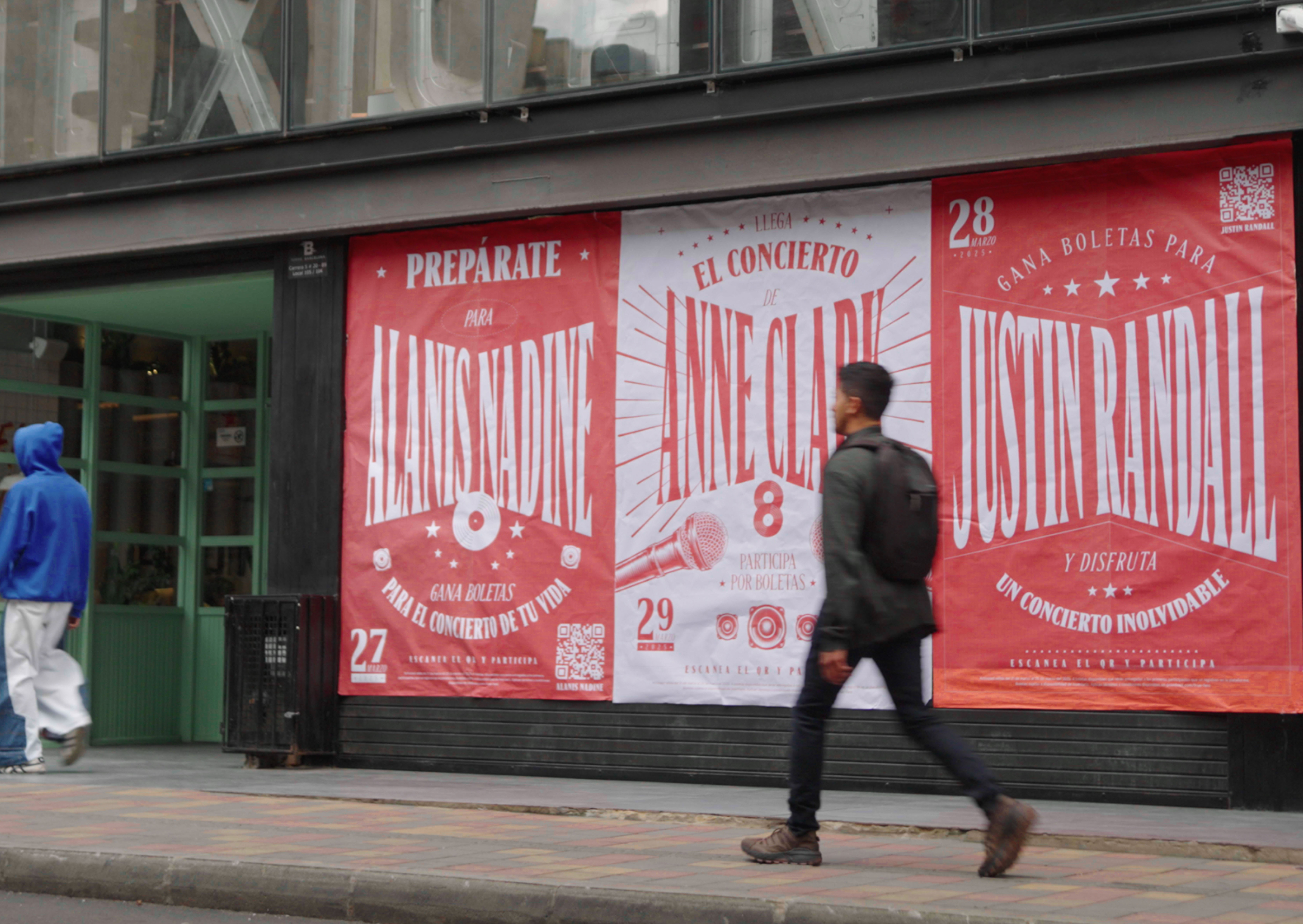
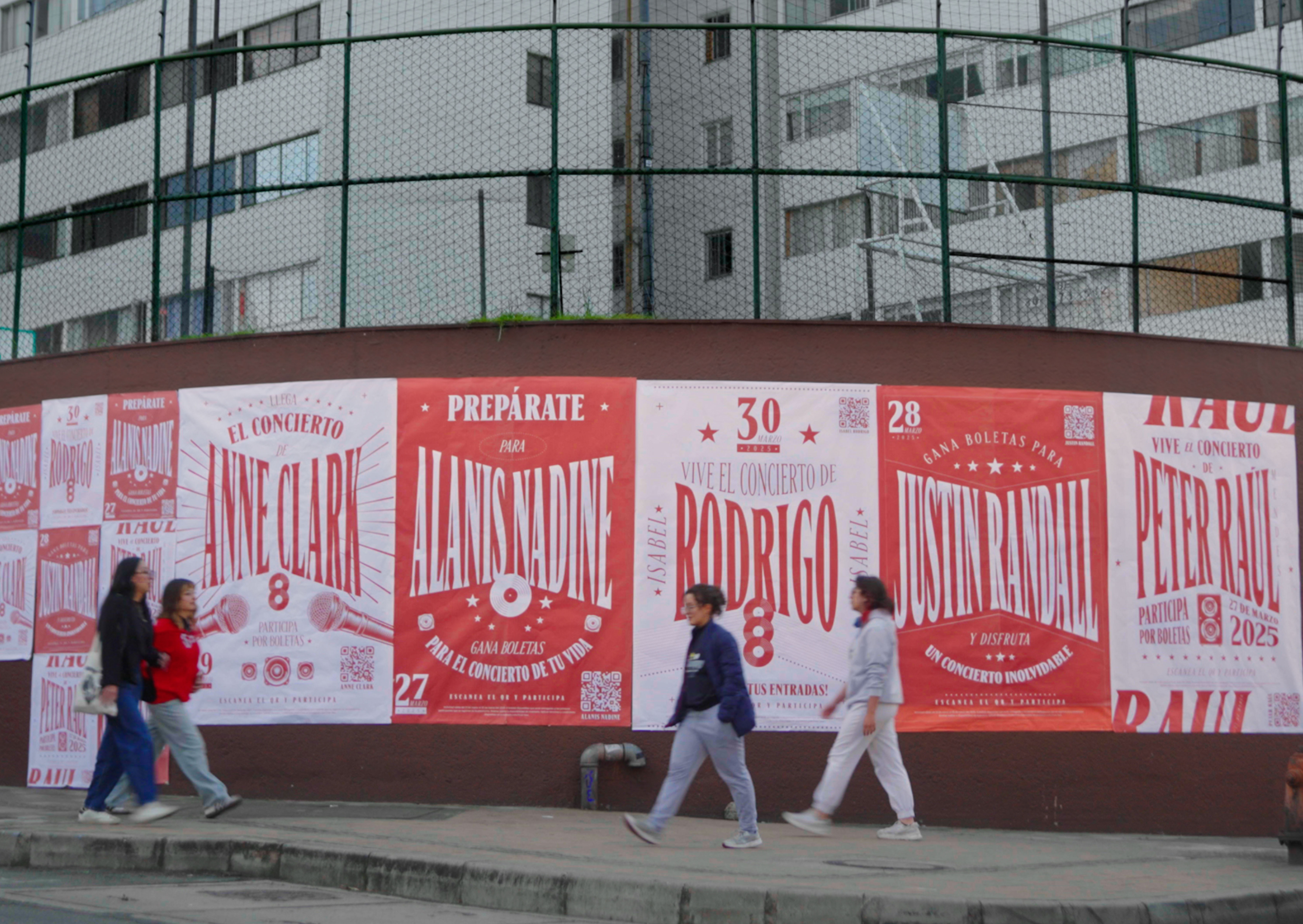
To bring tickets back to real fans, Budweiser launched what seemed like the worst promo in its history. No big names. No flashy branding. Just a series of low-profile giveaways promoting concerts with artists like “Isabel Rodrigo,” “Peter Raúl,” and “Justin Randall.” Unfamiliar to most—but instantly meaningful to true fans of Olivia Rodrigo, Shawn Mendes, and Justin Timberlake. The idea was simple: disguise the giveaway so well that only real fans would recognize it. For 48 hours, the campaign stayed almost invisible. Posters appeared in the streets with unfamiliar names and QR codes. Radio stations offered vague ticket giveaways with no mention of stage names. Budweiser’s social media remained completely silent. It was a promo designed to be ignored—by bots, by promo chasers, and even by the general public. And that was the point. Once the stealth phase ended, the reveal hit: Budweiser and a wave of influencers explained the twist. The people who had recognized the names had already won, and the rest had missed their chance. The brand didn’t just give away tickets—it gave real fans a reason to believe again. The campaign proved that a smarter, more human approach could beat automation and exploitation. By flipping the rules, Budweiser rewarded real passion and showed that sometimes, the worst promo on the surface can be the best for the people who truly care. Brand visibility increased by +5 points compared to last year’s promotions, demonstrating stronger presence and mental recall among consumers.